Patagonia Wines: Argentina's Cool-Climate Frontier
At the southern edge of the wine world, Patagonia produces some of Argentina's most surprising bottles. Far from the high-altitude vineyards of Mendoza, the wine regions of Río Negro, Neuquén and Chubut rely on a different kind of extreme: relentless winds, cold nights, a long, slow ripening season and some of the purest air on the planet. The result is a style all its own — elegant Pinot Noir, vibrant Malbec with remarkable freshness, and crisp Chardonnay and sparkling wines that have caught the attention of critics worldwide.
Pioneering estates like Bodega Chacra in Río Negro — founded on Pinot Noir vines planted in 1932 — and Familia Schroeder in Neuquén's San Patricio del Chañar have proven that Patagonia is far more than a curiosity. Further south, new projects in Chubut are pushing viticulture to latitudes once considered impossible. This guide covers the region's terroirs, its standout wineries and wines, and how to experience Patagonia's vineyards alongside glaciers, lakes and the legendary landscapes of southern Argentina.
Wine Tourism in Patagonia
Patagonia's wineries sit within reach of glacial lakes, volcanoes and open steppe. Many travelers pair tastings in Neuquén and Río Negro with the Perito Moreno glacier, Bariloche or Ushuaia at the end of the world. Below, our handpicked stays — starting in Patagonia, plus a few exceptional hotels across Argentina worth adding to the journey.
Patagonia · Where to Stay
Sleep at the End of the World
Your base for exploring Patagonia's wine country and wild landscapes — plus a few stays across Argentina worth adding to the journey, from colonial Cafayate to the vineyards of Uco Valley
Arakur Ushuaia Resort & Spa
📍 Ushuaia, Tierra del Fuego
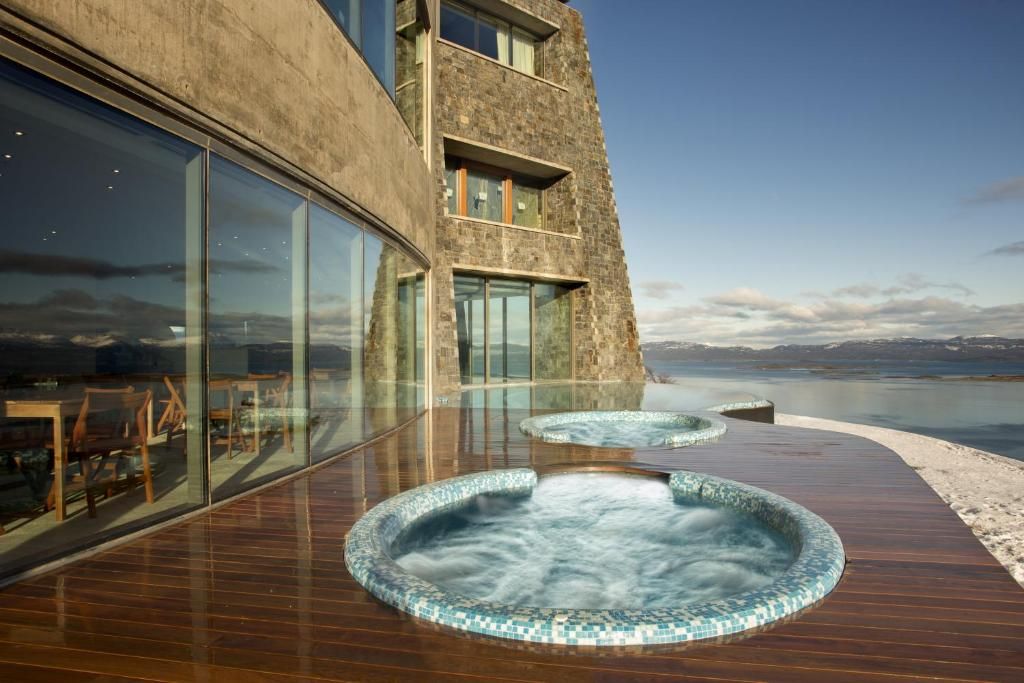
Set within the Cerro Alarkén Nature Reserve, 800 feet above the world's southernmost city. Panoramic views of the Beagle Channel, a glacier-fed spa, guided trekking from the hotel's doorstep, and the acclaimed La Cravia restaurant. The gateway to Patagonia's wildest landscapes — your wine journey south ends here.
Casa de Uco
📍 Valle de Uco, Mendoza
A modernist retreat across 320 hectares of vineyards at the foot of the Andes. Sustainable architecture, an award-winning farm-to-table restaurant, and a spa offering grape and Malbec treatments. If Patagonia's Pinot Noir won you over, Uco Valley's high-altitude expression is the perfect next chapter.
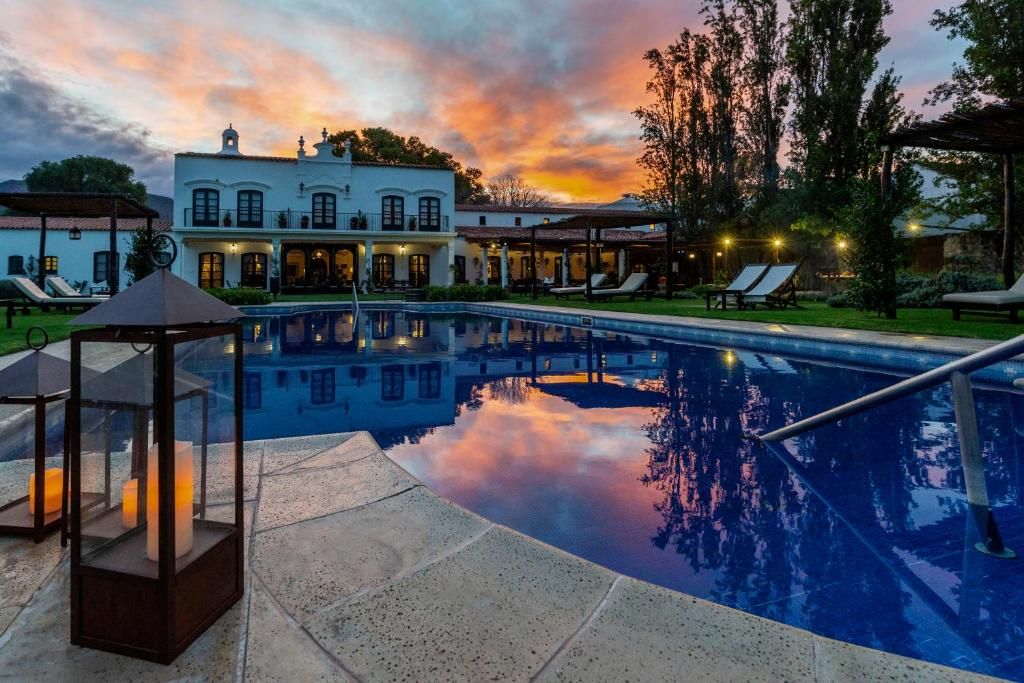
Patios de Cafayate
📍 Cafayate, Salta
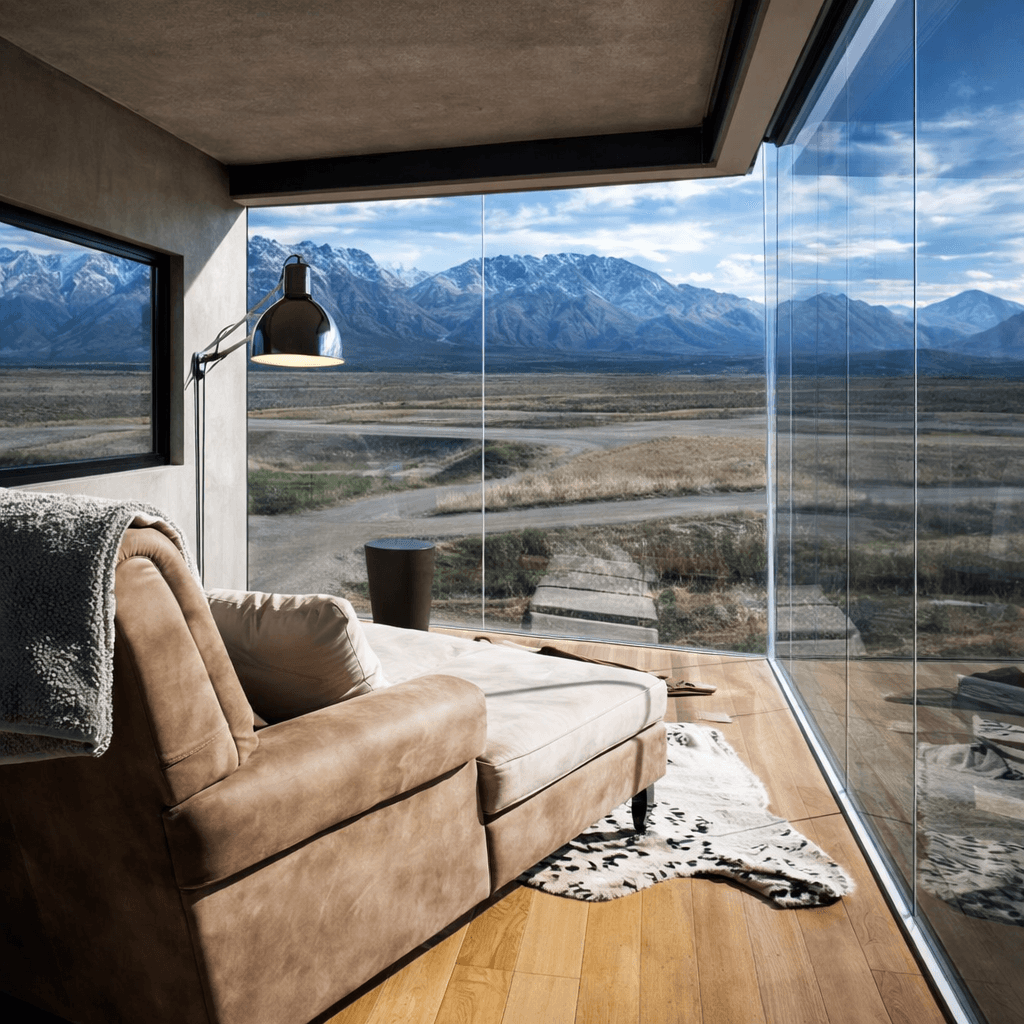
From the far south to the high north: an authentic Salta-style retreat within the historic grounds of Bodega El Esteco, founded in 1892. Colonial courtyards draped in vines, rooms furnished with antiques, a complimentary glass of Torrontés each afternoon, and chef-driven regional cuisine at restaurant La Rosa.
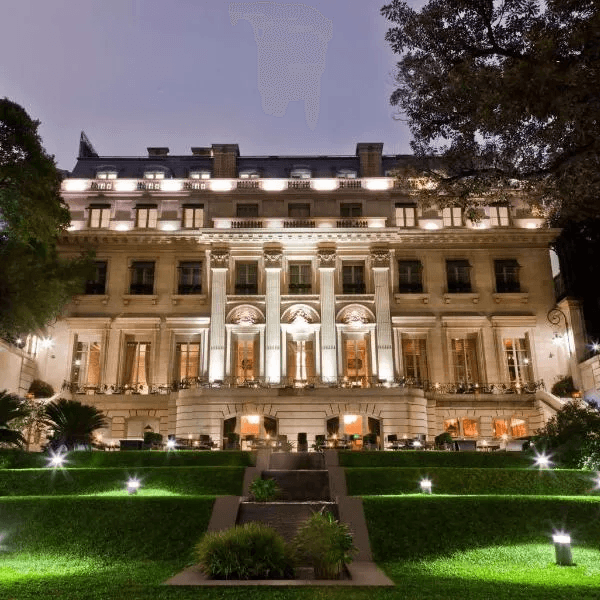
Palacio Duhau - Park Hyatt Buenos Aires
📍 Recoleta, Buenos Aires
The Paris of South America — tango, world-class steakhouses, European architecture and a cultural scene that never sleeps. Most journeys to Patagonia begin and end here, so make the layover count with a landmark palace hotel in the heart of Recoleta, complete with a 500-label wine cellar.
Patagonia Wines: Pure Terroir, Endless Horizons
Discover wines shaped by southern winds and endless horizons
Boutique wineries, cool-climate varietals, and breathtaking landscapes define Patagonia’s wine experience.

Gravity-fed architecture, wines that flow with innovation.
Schroeder Winery
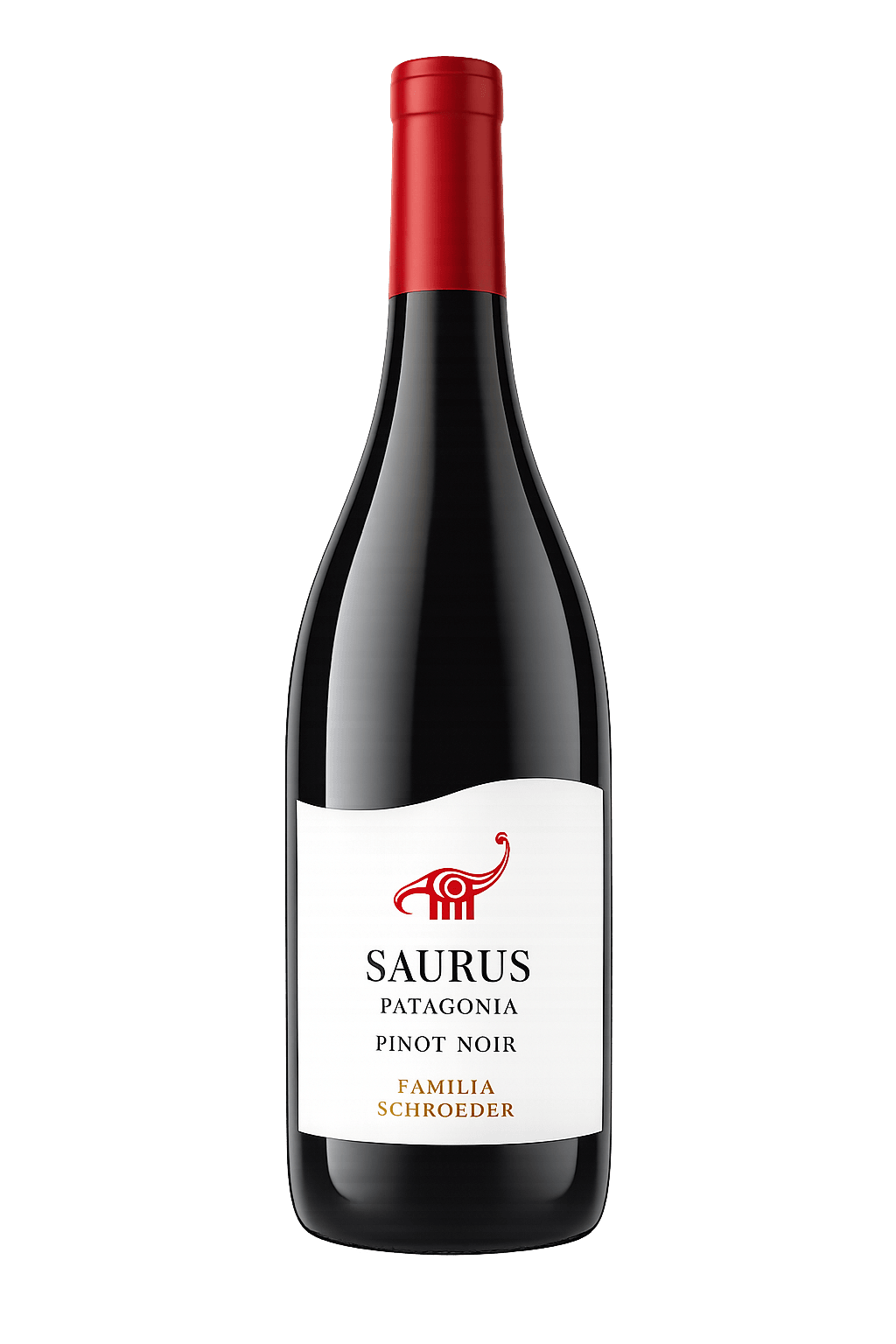
Symbol of innovation and tradition in Patagonia, Argentina. Founded in 2001 by Herman Heinz Teodoro Schroeder and his children, the family transformed a desert landscape into fertile vineyards, making it one of the southernmost wine regions in the world.
Built against the valley slope, the winery blends seamlessly into the natural environment with a unique five-level, 22-meter-high design. This architectural system harnesses gravity in the winemaking process, reducing the use of pumps and minimizing oxidation, ensuring wines of purity and elegance.
Today, Familia Schroeder offers exclusive wine tourism experiences: guided tours, tastings of Pinot Noir and Patagonian Malbec, and a gourmet restaurant pairing signature wines with regional cuisine. Every glass reflects the family’s pioneering spirit and the essence of Patagonia.

At the edge of the world, bold wines are born.
Del Fin del Mundo Winery
Patagonia, Argentina’s southern frontier, is home to some of the world’s most distinctive wines. Shaped by cool winds, dramatic landscapes, and unique terroir, Patagonia wines offer elegance, freshness, and authenticity. From Pinot Noir to Malbec, each bottle reflects the untamed spirit of the region.

A century of tradition, reinvented for today.
Humberto Canale Winery
Founded in 1909 by engineer Humberto Canale, this winery became a driving force in the development of viticulture in Patagonia. Located just 8 km from General Roca, in the Alto Valle of Río Negro, its vineyards cover 160 hectares of old vines, producing wines that reflect the freshness and elegance of the Patagonian terroir.
With more than a century of history and five generations, the Canale family has combined tradition with modern winemaking techniques. Their philosophy emphasizes environmental care, ensuring sustainability at every stage of production.
Signature wines include:
Pinot Noir – elegant and expressive, among Argentina’s finest.
Patagonian Malbec – fresh and refined, with unique identity.
Merlot and Cabernet Franc – smooth and balanced.
Sauvignon Blanc and Riesling – vibrant, aromatic whites.
The winery also offers wine tourism experiences, including guided tours, tastings, and vineyard walks, sharing the pioneering spirit and family legacy that define Humberto Canale.

Malma Family Wines – Crafting Patagonia’s Soul
Malma Winery
Malma Winery is a family‑owned estate in San Patricio del Chañar, Neuquén, created by the pioneering Viola family. The name Malma, meaning “pride” in Mapudungun, reflects their commitment to honoring Patagonian origins and crafting wines that express the region’s character. Guided by resident and consulting winemakers, the winery focuses on pure, precise interpretations of its cold‑climate terroir, shaped by wide temperature swings, steady winds, and stony soils. Its modern, linear architecture blends with the Patagonian landscape, supporting a production philosophy centered on clarity, elegance, and a deep sense of place.

Organic Vineyards of Familia Miras in Patagonia
Miras Winery
Familia Miras is a family‑owned winery in Mainqué, Río Negro, producing certified organic wines from old vineyards across the region. Their work combines traditional, hands‑on viticulture with high technical standards, resulting in wines known for balance, purity, and strong aging potential. The semidesert Patagonian climate, with constant winds and marked temperature swings, shapes grapes with natural freshness, intense aromas, and distinctive minerality. All members of the Miras family participate in the process, crafting small‑batch wines that reflect both the character of Río Negro and a deep commitment to sustainable, organic farming.
Patagonia · Wine Country & Beyond
From the Vineyards to the End of the World
Patagonia rewards travelers twice: world-class Pinot Noir in Río Negro and Neuquén, and the glaciers, lakes and southern landscapes that surround the vines. These are the experiences worth the journey south.

Sip Pinot Noir Where the Andes Meet the Ice
Río Negro · Neuquén · El Calafate · Ushuaia · End of the World Train
Explore All Experiences →Gastronomy · El Calafate
Argentine Cuisine Experience in El Calafate
★★★★★ 14 reviews · 3 hours · Free Cancellation
Glacier · Santa Cruz
Glaciares Gourmet Navigation: Spegazzini, Upsala & Perito Moreno
★★★★½ 324 reviews · 11 hours · Free Cancellation
National Park · Ushuaia
Tierra Del Fuego National Park & Fin del Mundo Train
★★★★★ 208 reviews · 5h 30m · Free Cancellation
Guided Tour · Ushuaia
National Park & Train Trip — End of the World Guided Tour
★★★★ 442 reviews · 6 hours · Free Cancellation
Full Collection · Viator 2026
Ready for the Edge of the World?
Browse the full Patagonia collection — from glacier navigation to Fuegian cuisine, every experience is handpicked and instantly bookable
View All Patagonia Tours →Patagonia Wines: Frequently Asked Questions (FAQ)
What makes Patagonia a unique wine region?
Patagonia is the southernmost wine region in Argentina. Its identity is defined by a cool climate, constant Patagonian winds, and a longer ripening season. These conditions produce wines with lower alcohol levels, higher natural acidity, and intense aromatic complexity compared to the warmer northern regions.
Which are the main wine-producing provinces?
The industry is centered in Neuquén (San Patricio del Chañar) and Río Negro (Alto Valle). However, there are emerging and extreme projects in Chubut, which is home to some of the most southern vineyards in the world.
Is Pinot Noir the star of the region?
Yes. Patagonia is widely considered the best region in Argentina for Pinot Noir. The cool nights and gentle sun allow this delicate grape to develop its characteristic elegance, earthy notes, and bright red fruit flavors.
What about the Malbec from the South?
Patagonian Malbec is distinct from Mendoza's. It tends to be more floral and spicy (notes of violets and black pepper), with a more refined structure and a persistent freshness that makes it incredibly food-friendly.
What is the "Old Vines" heritage in Río Negro?
Unlike the newer vineyards in Neuquén, Río Negro boasts centennial vineyards, some planted in the early 1900s. These old vines (especially Malbec, Semillon, and Merlot) produce wines with incredible depth and soul, reflecting the history of the region.
What white wines should I look for?
Beyond the reds, Patagonia excels in cool-climate whites. Chardonnay here is crisp and mineral, and the region is also reviving old-vine Semillon and producing aromatic Sauvignon Blanc and Riesling.
How do the winds affect the grapes?
The constant winds act as a natural fungicide, keeping the grapes healthy and organic by default. They also cause the grapes to develop thicker skins, which adds more color and concentration to the wines.
Can I visit wineries in Patagonia?
Absolutely. San Patricio del Chañar (Neuquén) is an excellent hub for wine tourism with modern wineries and high-end restaurants. In Río Negro, you can find more traditional, boutique estates. Many wineries offer views of the plateau (meseta) and the river valleys.
What is the best food pairing for these wines?
The local classic is Patagonian Lamb (cordero patagónico) roasted over an open fire, which pairs perfectly with a local Malbec or Merlot. For the delicate Pinot Noirs, local trout or wild mushrooms are an ideal match.
Explore More of Argentina’s Vineyards
Continue your journey through the Uco Valley in Mendoza. From the high-altitude vineyards of Northern Argentina to the historic Wineries of Argentina, there is a world to discover beyond Patagonia. Explore our guides on Malbec, Torrontés, and Cabernet Franc.
Utilizamos cookies para mejorar tu experiencia y rastrear los enlaces de afiliados. Al continuar, aceptás nuestro uso de cookies.