Por qué la elegimos
Puntaje casi perfecto, bodegas top y un almuerzo para recordar: la experiencia completa en un solo día.
No porque tenga la mayor producción del mundo — aunque está entre los cinco primeros. Sino porque el vino acá no es una industria separada de la vida: es parte del asado del domingo, del brindis de fin de año, de la conversación que se alarga hasta la medianoche. Es cultura, es identidad, es orgullo nacional destilado en una copa.
Pero en las últimas dos décadas, algo cambió. El vino argentino dejó de ser solo patrimonio local y se convirtió en uno de los fenómenos más fascinantes del mundo vitivinícola global. Sumilleres de Nueva York, Londres y Tokio empezaron a prestar atención. Las guías internacionales — Wine Spectator, Robert Parker, Decanter — comenzaron a otorgar puntajes de 95, 97, 100 puntos a etiquetas que se producen a la sombra de los Andes. Y el Malbec, esa uva francesa que Francia casi abandona, encontró en Mendoza su tierra prometida y se transformó en una de las variedades más reconocidas y consumidas del planeta.
¿Qué tiene Argentina que no tiene ningún otro lugar?
Primero, la altura. Los viñedos argentinos son los más altos del mundo. En Gualtallary, Valle de Uco, las vides crecen a más de 1.400 metros sobre el nivel del mar. A esa altitud, la radiación ultravioleta es intensa, las noches son frías incluso en verano, y la amplitud térmica — la diferencia entre el calor del día y el frío de la noche — puede superar los 20 grados en una sola jornada. Ese estrés térmico es el secreto: concentra aromas, preserva acidez natural y produce vinos de una complejidad difícil de igualar.
Segundo, la diversidad de terruños. Argentina no es solo Mendoza, aunque Mendoza sea su corazón. Es también Cafayate, en Salta, donde el Torrontés produce blancos aromáticos únicos en el mundo. Es Neuquén, en la Patagonia, donde el frío extremo da Pinot Noir y espumantes de carácter europeo. Es San Juan, La Rioja, Río Negro, Córdoba — cada provincia con su microclima, sus suelos, su personalidad.
Tercero, el talento humano. Una generación de enólogos argentinos — muchos formados en Francia, Italia y España, pero con los pies firmemente plantados en la tierra andina — está redefiniendo qué puede ser el vino de esta parte del mundo. Nombres como Alejandro Vigil, Laura Catena, Adrianna Catena, o Matías Michelini no son solo enólogos: son artistas trabajando con uno de los terruños más emocionantes del siglo XXI.
Y si hay un lugar para empezar, es Mendoza. Ahí el vino no se explica: se recorre. Bodegas al pie de la cordillera, almuerzos entre viñedos, catas que se estiran hasta el atardecer. Para que lo vivas de verdad, elegimos seis experiencias que recomendamos sin dudar.
Bienvenido. Descorchemos… y salgamos a recorrer.
Mendoza · Argentina
Una selección de Malbecs de culto de las bodegas más prestigiosas de Mendoza
El Enemigo · Luján de Cuyo
El Enemigo Malbec
2022 · Mendoza
Rubí profundo. Fruta oscura especiada, tensión mineral, final largo y sedoso. Un clásico moderno.
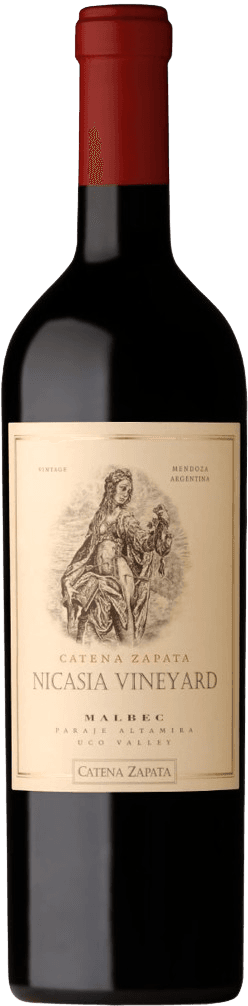
Catena Zapata · Nicasia Vineyard
Nicasia Vineyard Malbec
2022 · Altamira, Valle de Uco
Violetas, frutos negros y mineralidad calcárea de Altamira. El viñedo histórico de la familia Catena, en una botella de culto.
Zuccardi · Valle de Uco
José Zuccardi Malbec
2021 · Valle de Uco
Cerezas frescas, violetas, moderno y frutado. Expresión pura del Malbec en su máximo esplendor.
Selección editorial de vinosargentinos.com · Malbecs de Mendoza
Argentina ofrece el circuito de enoturismo más diverso del Hemisferio Sur. En Salta, los viñedos comerciales más altos del mundo — a más de 3.000 metros en los Valles Calchaquíes — producen Torrontés de intensidad floral única, con Cafayate y la Quebrada de Humahuaca como escenario. Mendoza, la capital indiscutida del vino argentino, despliega sus Malbecs de clase mundial en Luján de Cuyo y el Valle de Uco, con el Aconcagua como telón de fondo. Y en la Patagonia, Neuquén sorprende con elegantes Pinot Noirs entre ríos prístinos y la Región de los Lagos. Lujo, aventura o retiro remoto: cada región es también una puerta de entrada a los paisajes más icónicos del país. Reservá tu alojamiento abajo y empezá a planificar el viaje vitivinícola de tu vida.
¿Querés ver todo esto en el mapa antes de decidir? Explorá nuestro mapa interactivo en 3D y recorré cada bodega, ruta y región del país desde una sola pantalla, antes de armar tu itinerario.
Argentina · Vino, Patagonia y Escapadas Andinas
Desde los confines de la Patagonia hasta los valles andinos — alojamientos seleccionados para el viajero internacional que busca lo mejor de Argentina
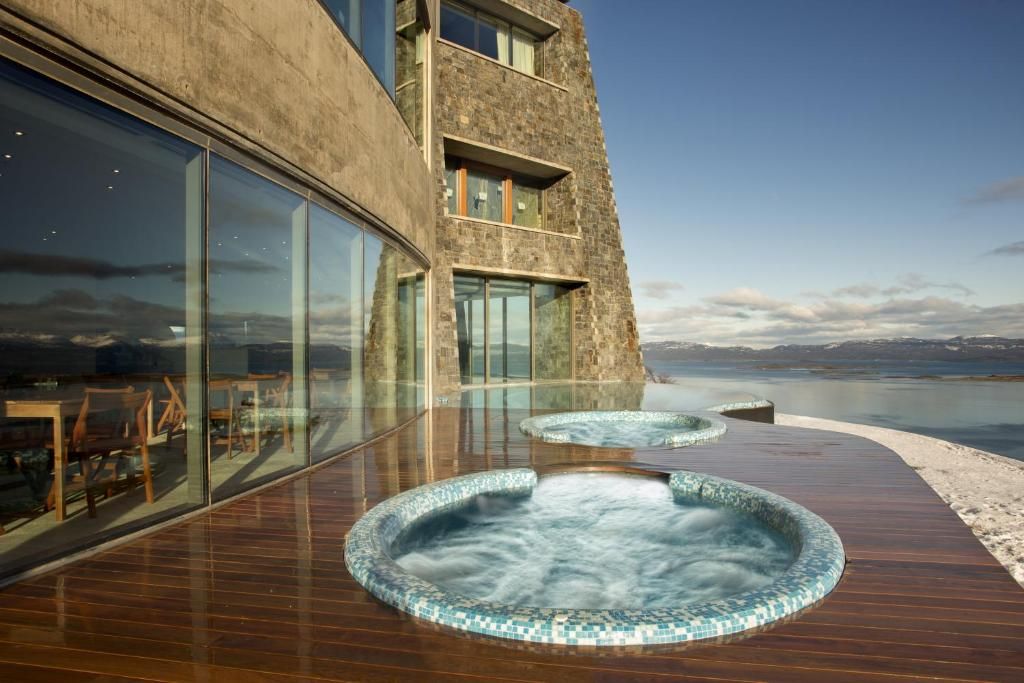
Arakur Ushuaia Resort & Spa
📍 Ushuaia, Tierra del Fuego
Ubicado dentro de la Reserva Natural Cerro Alarkén, a 250 metros sobre la ciudad más austral del mundo. Vistas panorámicas al Canal Beagle, spa alimentado por glaciares, trekking guiado desde la puerta del hotel y el aclamado restaurante La Cravia con los sabores intensos de Tierra del Fuego.
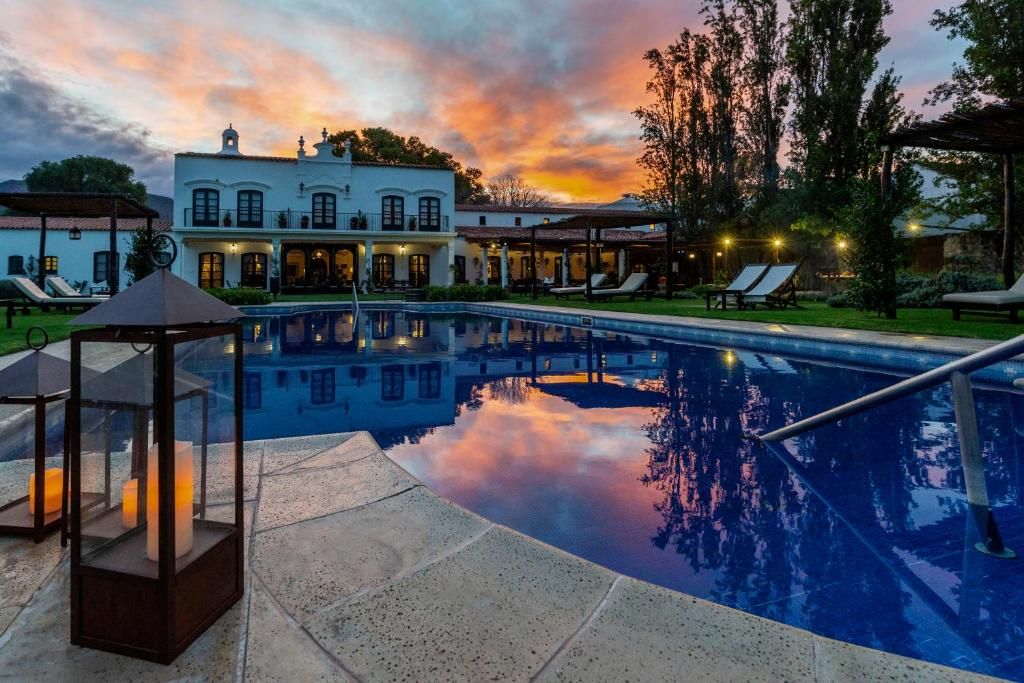
Patios de Cafayate
📍 Cafayate, Salta
Un auténtico refugio salteño dentro de los históricos terrenos de la Bodega El Esteco, fundada en 1892. Patios coloniales cubiertos de vides, habitaciones con antigüedades, una copa de Torrontés cada tarde y cocina regional de autor en el restaurante La Rosa.
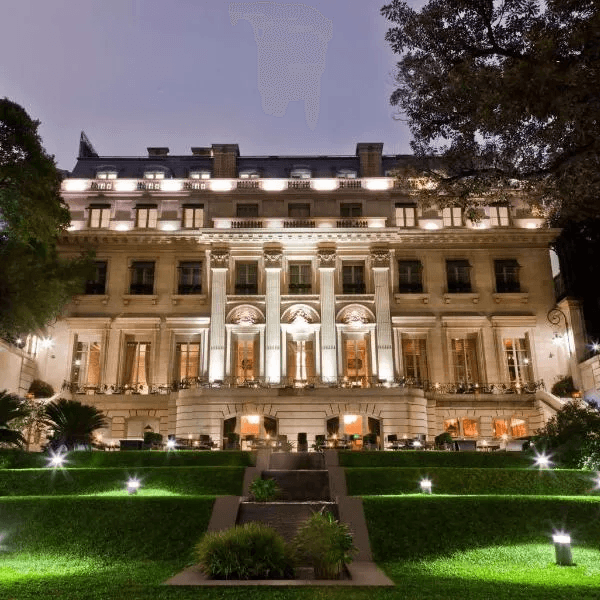
Palacio Duhau - Park Hyatt Buenos Aires
📍 Recoleta, Buenos Aires
Un hotel palaciego emblemático en el corazón de Recoleta, que combina la elegancia francesa de los años 30 con el lujo contemporáneo. Dos jardines privados, una bodega con más de 500 etiquetas, un spa premiado y acceso directo a las mejores parrillas, museos y salones de tango de Buenos Aires.
Casa de Uco
📍 Valle de Uco, Mendoza
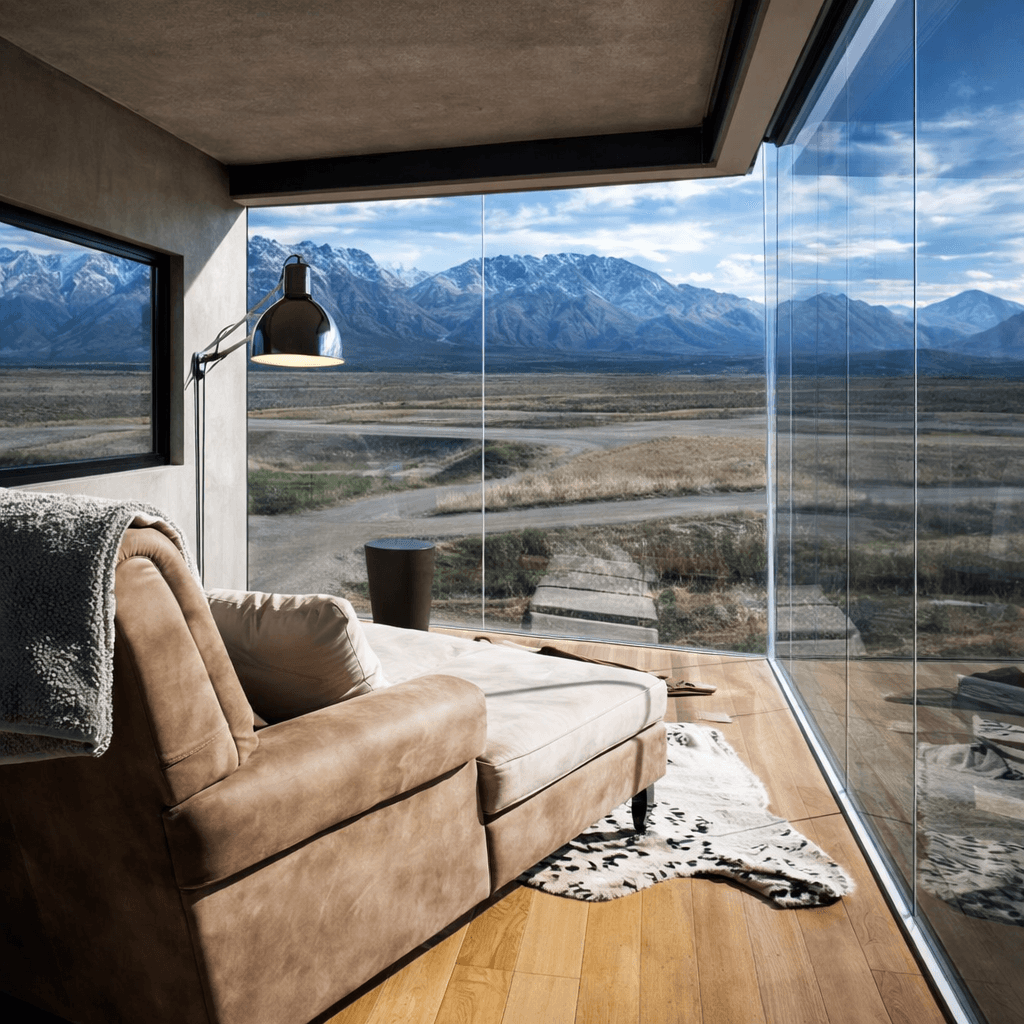
Un refugio modernista en 320 hectáreas de viñedos al pie de los Andes. Arquitectura sustentable, restaurante premiado de campo a mesa, spa con tratamientos de uva y Malbec, y vistas imponentes de vides, lagunas y picos nevados.
Mendoza concentra el 70% de la producción vitivinícola argentina y alberga algunos de los terruños más codiciados del mundo. Pero más allá de los grandes nombres, existe un universo de bodegas boutique, enólogos visionarios y partidas limitadas que solo se consiguen si sabés dónde buscar. Esta selección es eso: lo que vale la pena tener en tu copa.
Vinos de Mendoza Auténticos
Descubra etiquetas exclusivas de los terruños más icónicos de Mendoza: Altamira, Valle de Uco, Luján de Cuyo y Gualtallary.
Vistalba Malbec D.O.C. 2023: Directo de Luján de Cuyo
Descubra el Vistalba Malbec D.O.C. 2023, criado en barricas de roble. Un vino genuino de Mendoza con venta directa de bodega y envío desde origen.
Alejandro Vigil: El Maestro del Vino Argentino
Reconocido por su labor en Catena Zapata y El Enemigo, Alejandro Vigil es uno de los enólogos más influyentes de Argentina. Creador de Malbecs de altura y blends innovadores que cautivan a entusiastas de todo el mundo.
Selección Achaval Ferrer: El Trío Quimera de Mendoza
Descubra la elegancia de Mendoza a través de esta selección curada. La línea Quimera ofrece expresiones que resaltan la frescura y el equilibrio de la región, mientras que el Malbec Reserva de Achaval Ferrer personifica la intensidad que dio fama mundial al Malbec argentino.
Argentina tiene 9 provincias vitivinícolas. Cada una habla un idioma distinto: la mineralidad calcárea de Gualtallary, la floresta especiada de Cafayate, la frescura patagónica de Neuquén. Conocer las regiones es entender por qué un Malbec de Luján de Cuyo nunca va a saber igual que uno del Valle de Uco — aunque ambos sean excepcionales.
MAPA VITIVINÍCOLA ARGENTINO
Explora las regiones vitivinícolas más prestigiosas de Argentina. Descubre la esencia y el terroir único de cada zona.
Luján de Cuyo – D.O.C. Malbec
Valle de Uco – Altitud, Mineralidad y Malbec Moderno
Paraje Altamira – Terroir y Malbec Argentino
Gualtallary – Altitud, Tiza y Elegancia Andina
vinosargentinos.com no es una tienda ni un catálogo. Es una selección editorial: los mejores hoteles boutique, las bodegas que vale la pena visitar, los vinos que merecen estar en tu copa y las regiones que hay que conocer antes de morir. Todo curado para el viajero y el amante del vino que quiere lo mejor de Argentina — sin perder tiempo buscando.
Explorá el vino argentino desde una nueva perspectiva: nuestro mapa interactivo reúne bodegas, vinotecas, restaurantes y rutas del vino en todo el país. Un recorrido visual que no tiene comparación.
¿Cuáles son los mejores vinos argentinos?
Argentina produce algunos de los vinos más valorados del mundo, especialmente en Mendoza. Los Malbec de altura del Valle de Uco, los Cabernet Franc de Gualtallary y los Torrontés de Cafayate son los más reconocidos internacionalmente por guías como Wine Spectator y Robert Parker.
¿Cuál es la región vitivinícola más importante de Argentina?
Mendoza concentra el 70% de la producción vitivinícola argentina y alberga los terruños más codiciados: Luján de Cuyo, Valle de Uco, Paraje Altamira y Gualtallary. Pero Salta, Neuquén y Río Negro también producen vinos de clase mundial.
¿Qué uva es la más representativa de Argentina?
El Malbec es la cepa emblema de Argentina. Originaria de Francia, encontró en los suelos aluviales y la altitud extrema de Mendoza su mejor expresión en el mundo. Hoy es uno de los varietales más consumidos globalmente.
¿Cómo es el enoturismo en Argentina?
Argentina ofrece algunas de las experiencias de enoturismo más exclusivas del mundo: hoteles boutique dentro de bodegas, tours en 4x4 por los Andes, cenas maridadas con vista a la cordillera nevada y degustaciones en viñedos a más de 1.400 metros de altitud.
¿Dónde comprar vinos argentinos online?
Los vinos argentinos están disponibles en plataformas internacionales como Wine.com, con envío a Estados Unidos, Canadá y Europa. En vinosargentinos.com seleccionamos las mejores etiquetas de Mendoza, Salta y Patagonia para el comprador internacional.
Utilizamos cookies para mejorar tu experiencia y rastrear los enlaces de afiliados. Al continuar, aceptás nuestro uso de cookies.