Patagonian Pinot Noir: Argentina's Most Elegant Red
Argentina's Pinot Noir story is written in Patagonia. In the cool-climate valleys of Río Negro and Neuquén, where the Atlantic winds sweep across vast plateaus and temperatures drop sharply at night, this notoriously difficult grape finds the conditions it craves — long, slow ripening seasons that preserve acidity, develop delicate aromatics, and produce wines of genuine elegance. Far from the sun-drenched image of Argentine wine, Patagonian Pinot Noir is fresh, precise, and unmistakably refined.
Párrafo 2: The region of Río Negro, and particularly the Alto Valle, has emerged as Argentina's benchmark for Pinot Noir. Sandy soils with excellent drainage, combined with a continental climate moderated by Andean snowmelt rivers, create a unique terroir that produces wines with red cherry, wild strawberry, and subtle earthy notes — never heavy, always alive. Producers like Chacra, Humberto Canale, and NQN have placed Patagonian Pinot Noir firmly on the world fine wine map, earning scores and recognition that rival Burgundy's finest villages.
Párrafo 3: This guide covers everything you need to know about Argentine Pinot Noir — from Patagonia's key subregions and soil profiles to tasting notes, food pairings, and where to buy the finest bottles online. Whether you are a Burgundy lover seeking a New World alternative or a curious explorer of Argentine wine, Patagonian Pinot Noir will surprise you.
Argentine Pinot Noir
The Ethereal Selection
Patagonia & Uco Valley — Edge of the World
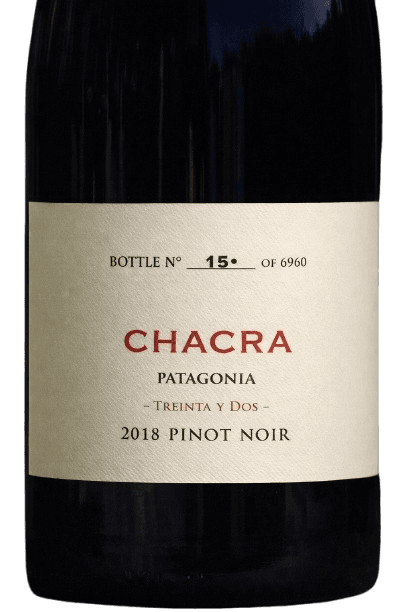
Affiliate links · Purchased via Wine.com · Free shipping available
Patagonian Pinot Noir occupies a unique position in the Argentine wine landscape — it is the country's answer to Burgundy, produced at the opposite end of the continent under conditions that would seem hostile to viticulture. Yet it is precisely this hostility — the wind, the cold, the sparse soils — that forces the vine to struggle and, in struggling, to produce fruit of extraordinary intensity and delicacy. Chacra's Treinta y Dos, named after the year the vineyard was planted, remains the benchmark: a wine of haunting complexity that improves for a decade in the bottle.
Argentina · Pinot Noir Country — Patagonia & Uco Valley
Stay Where the Pinot Noir Grows
From the windswept end of the world to the high-altitude valleys of Mendoza — handpicked stays for the traveller chasing Argentina's most ethereal wines
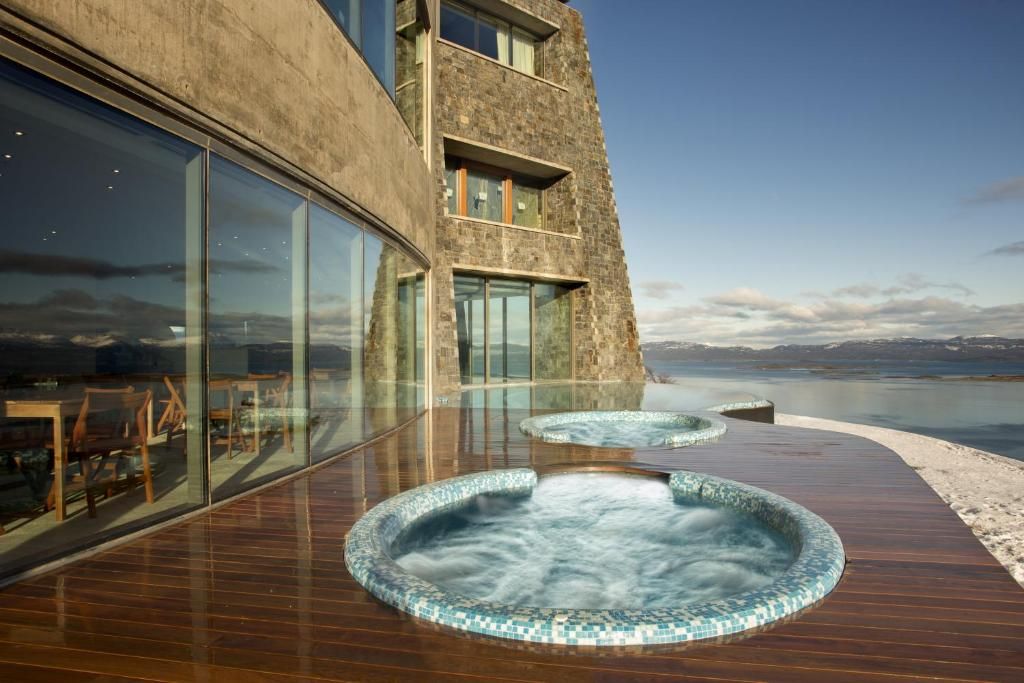
Arakur Ushuaia Resort & Spa
📍 Ushuaia, Tierra del Fuego
Set within the Cerro Alarkén Nature Reserve, 800 feet above the world's southernmost city. Panoramic views of the Beagle Channel, a glacier-fed spa, guided trekking from the hotel's doorstep, and the acclaimed La Cravia restaurant. The gateway to Argentine Pinot Noir's wildest terroir — Patagonia begins here.
Patios de Cafayate
📍 Cafayate, Salta
An authentic Salta-style retreat within the historic grounds of Bodega El Esteco, founded in 1892. Colonial courtyards draped in vines, rooms furnished with antiques, a complimentary glass of Torrontés each afternoon, and chef-driven regional cuisine at restaurant La Rosa.
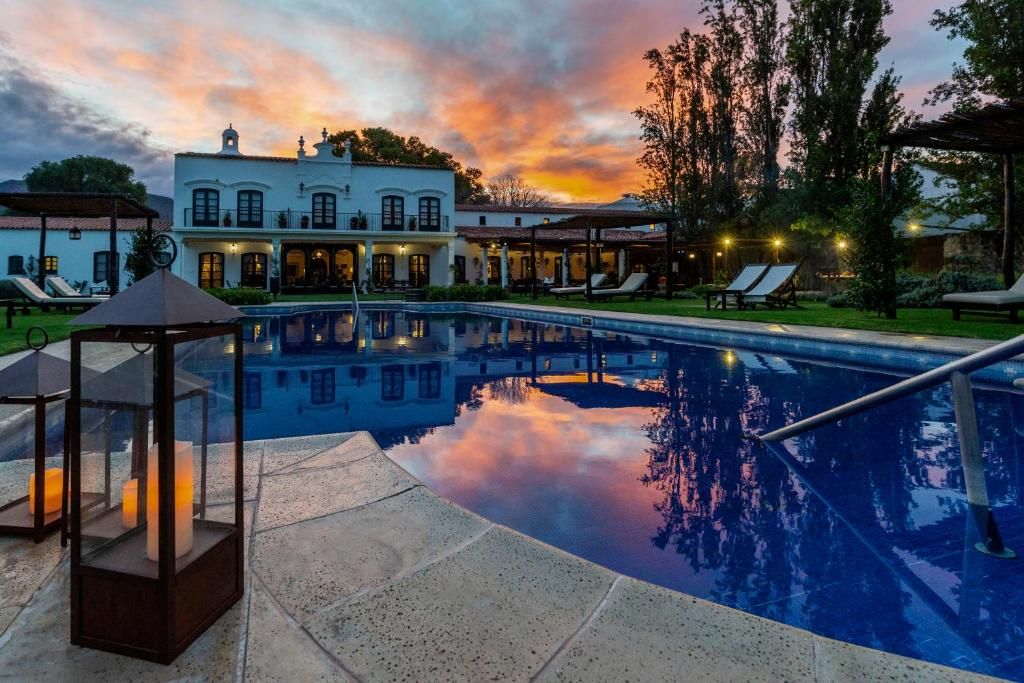
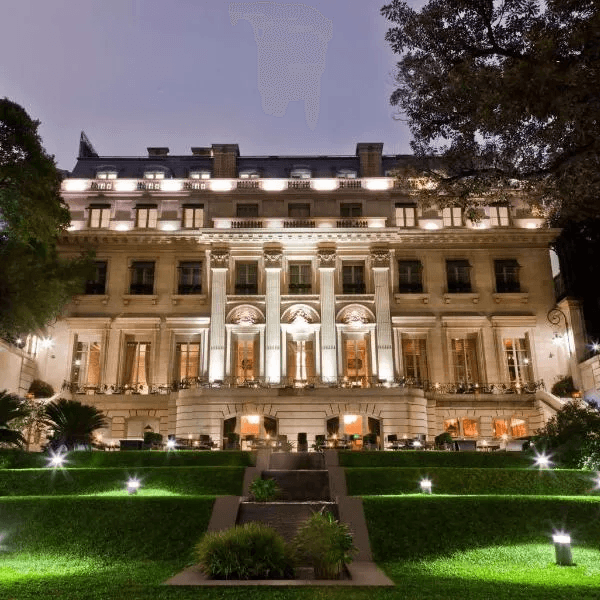
Palacio Duhau - Park Hyatt Buenos Aires
📍 Recoleta, Buenos Aires
The Paris of South America — tango, world-class steakhouses, European architecture and a cultural scene that never sleeps. A landmark palace hotel in the heart of Recoleta, with a wine cellar of over 500 labels — the perfect base before or after your Pinot Noir journey south.
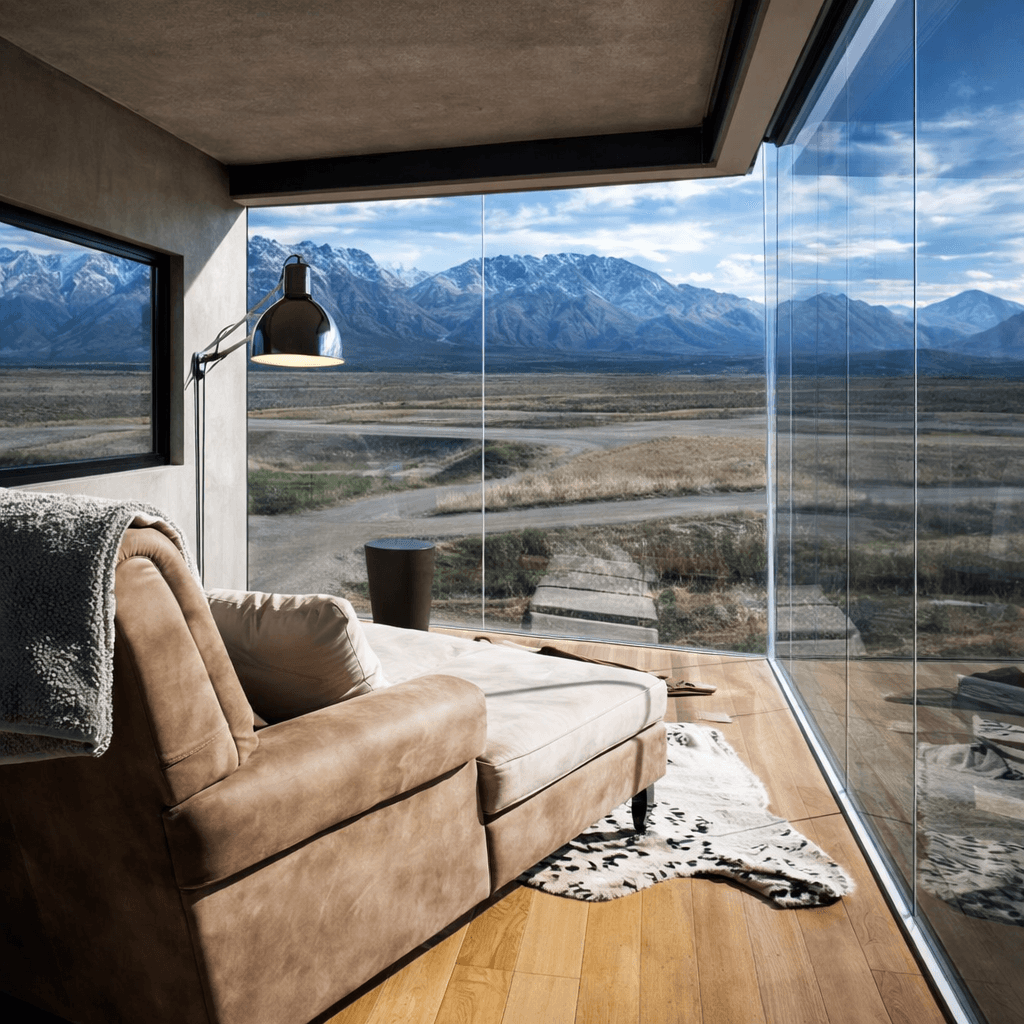
Casa de Uco
📍 Valle de Uco, Mendoza
A modernist retreat across 320 hectares of vineyards at the foot of the Andes. Sustainable architecture, an award-winning farm-to-table restaurant, and a spa offering grape and Malbec treatments. The Uco Valley's high-altitude limestone soils produce some of Argentina's most refined Pinot Noir — and Casa de Uco sits at its very heart.
For the wine traveller, combining a Mendoza visit with a journey south to Patagonia is the ultimate Argentine wine experience. The contrast could not be greater — from the sun-drenched Andean foothills of Uco Valley to the windswept plateaus of Río Negro, where Pinot Noir vines cling to the earth against the Patagonian gusts. Both regions reward the curious visitor with experiences unavailable anywhere else on earth.
Patagonia · End of the World Experiences
Where the Wild South Begins
Glaciers, ancient forests, legendary trains and Patagonian cuisine — curated experiences for the discerning traveller at the edge of the world

Ushuaia & Patagonia — The Ultimate Frontier
Tierra del Fuego · Glaciares · El Calafate · End of the World Train
Explore All Experiences →Gastronomy · El Calafate
Argentine Cuisine Experience in El Calafate
★★★★★ 14 reviews · 3 hours · Free Cancellation
Glacier · Santa Cruz
Glaciares Gourmet Navigation: Spegazzini, Upsala & Perito Moreno
★★★★½ 324 reviews · 11 hours · Free Cancellation
National Park · Ushuaia
Tierra Del Fuego National Park & Fin del Mundo Train
★★★★★ 208 reviews · 5h 30m · Free Cancellation
Guided Tour · Ushuaia
National Park & Train Trip — End of the World Guided Tour
★★★★ 442 reviews · 6 hours · Free Cancellation
Full Collection · Viator 2026
Ready for the Edge of the World?
Browse the full Patagonia collection — from glacier navigation to Fuegian cuisine, every experience is handpicked and instantly bookable
View All Patagonia Tours →Patagonia is more than a wine region — it is one of the world's last great wildernesses. Visiting for the wine and staying for the landscape is the natural progression for any serious traveller. The Perito Moreno glacier, the End of the World Train in Ushuaia, and the gourmet dining scene emerging in El Calafate make Patagonia a destination that deserves far more than a weekend.
Frequently Asked Questions About Argentine Pinot Noir
What makes Argentine Pinot Noir different from Burgundy?
Argentine Pinot Noir grows at significantly higher altitudes than its Burgundian counterpart — particularly in Patagonia and the Valle de Uco — which produces a style that combines the freshness and floral delicacy of Burgundy with a more generous fruit profile. The intense UV radiation, cold nights and volcanic or alluvial soils create a wine that is distinctly Argentine: brighter, more expressive in youth, and with a character that reflects the wild landscapes where it grows.
Where is Pinot Noir grown in Argentina?
The two most important regions for Argentine Pinot Noir are Patagonia — particularly the Río Negro and Neuquén provinces — and the high-altitude subzones of the Valle de Uco in Mendoza. Patagonia produces the most elegant and Burgundy-inspired expressions, thanks to its cool climate, strong winds and ancient soils. The Valle de Uco delivers more structured and mineral Pinot Noir, shaped by limestone soils and extreme diurnal temperature variation.
Which Argentine wineries produce the best Pinot Noir?
Chacra, founded by Piero Incisa della Rocchetta of the Sassicaia family in Río Negro, is widely considered the benchmark for Argentine Pinot Noir — its old-vine expressions are among the most sought-after in South America. Other outstanding producers include NQN Bodega in Neuquén, Familia Schroeder in Patagonia, Humberto Canale with its century-old vines in Río Negro, and Zuccardi Valle de Uco for high-altitude mineral expressions from Mendoza.
What does Argentine Pinot Noir taste like?
Argentine Pinot Noir typically shows red fruit aromas — cherry, raspberry, strawberry — with floral notes of violet and rose, and subtle earthy undertones of forest floor and dried herbs. On the palate it is elegant and medium-bodied, with fine-grained tannins, lively acidity and a long, silky finish. Patagonian expressions tend toward a lighter, more translucent style; Valle de Uco Pinot Noir tends to be slightly more structured and mineral.
What food pairs well with Argentine Pinot Noir?
Argentine Pinot Noir is one of the most food-friendly wines in the country. It pairs beautifully with Patagonian lamb — roasted or slow-cooked — as well as duck confit, salmon, mushroom risotto, and soft cheeses like brie or camembert. Its bright acidity and delicate tannins make it equally at home with lighter dishes that would overwhelm a heavier Malbec.
At what temperature should Argentine Pinot Noir be served?
Pinot Noir is best served slightly cooler than most red wines — between 14°C and 16°C. Serving it too warm mutes its delicate aromas and makes the alcohol more prominent. If the bottle has been at room temperature, 15 to 20 minutes in the refrigerator before serving will bring it to the ideal range and allow its full aromatic complexity to express itself.
How long can Argentine Pinot Noir be aged?
Most entry-level Argentine Pinot Noir is designed to be enjoyed within 3 to 5 years of vintage. However, the top expressions — particularly old-vine Patagonian Pinot Noir from producers like Chacra — can develop beautifully over 10 to 15 years, gaining complexity, earthy depth and a silky texture that only time can produce. The key is high natural acidity and restrained oak, which are the hallmarks of the best examples.
Is Argentine Pinot Noir expensive?
Argentine Pinot Noir spans a wide price range. Entry-level bottles from established Patagonian producers offer exceptional value, typically between $15 and $30. Mid-range expressions with more complexity and regional character fall between $30 and $60. The top single-vineyard and old-vine expressions — Chacra Treinta y Dos, for example — can reach $80 to $150 or more, and are considered among the finest Pinot Noir produced outside of Burgundy.
Why is Patagonia ideal for Pinot Noir?
Patagonia's cold climate, strong Andean winds, long sunny days and ancient soils create near-perfect conditions for Pinot Noir. The winds naturally regulate vine health, reducing disease pressure and concentrating flavors. The cool nights preserve acidity and aromatic freshness. The soils — volcanic, basaltic or alluvial depending on the subzone — add a mineral dimension that gives Patagonian Pinot Noir its distinctive sense of place.
Where can I buy Argentine Pinot Noir online?
If you are based in the United States or Canada, Wine.com is the most comprehensive platform for finding Argentine Pinot Noir with reliable shipping. Look for bottles from Chacra, NQN, Humberto Canale and Familia Schroeder as your starting point. In Argentina, most Patagonian wineries sell directly through their own online stores. On this page you will find curated selections with direct links to the best producers and trusted retailers.
Utilizamos cookies para mejorar tu experiencia y rastrear los enlaces de afiliados. Al continuar, aceptás nuestro uso de cookies.