
The White Revolution: Why “Pale Gold” is Argentina’s 2026 Business Frontier
Embracing change is how we grow
As of February 27, 2026, the Argentine wine industry is at a defining crossroads. After a 2025 marked by export challenges, the start of 2026 has delivered a stunning rebound: white wines—particularly in bulk—have become the engine of recovery. The 688% surge in white bulk exports this January isn't just a statistical fluke; it’s a loud signal of a commercial reconfiguration that offers immediate opportunities for wineries, distributors, and investors.
The Numbers Forcing the Move
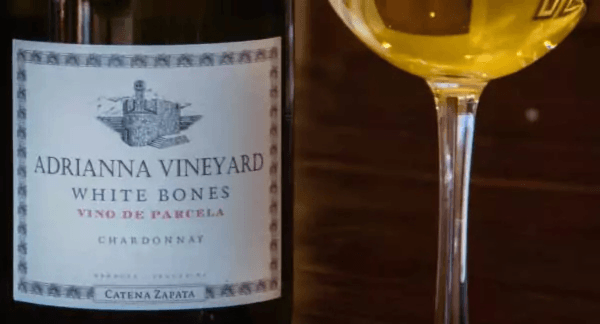
While 2025 saw historic lows in volume, January 2026 showed a 17.9% growth in total exports. The star? White wine. This massive restocking by European buyers confirms that Argentina is once again competitive in high-quality white blends for private labels.
What this means for the bottom line:
For Wineries: A vital tool to clear accumulated stock and generate immediate cash flow.
For Consumers: A golden era of fresh, world-class Argentine whites hitting the shelves at competitive prices.
The Power Players: Labels Leading the Charge
To monetize this trend, you need to know the specific styles and brands that are currently setting the pace in the global market:
High-Altitude Chardonnay (The "Southern Burgundy")
Gualtallary and Altamira are producing Chardonnays with a mineral tension that rivals the best in the world.
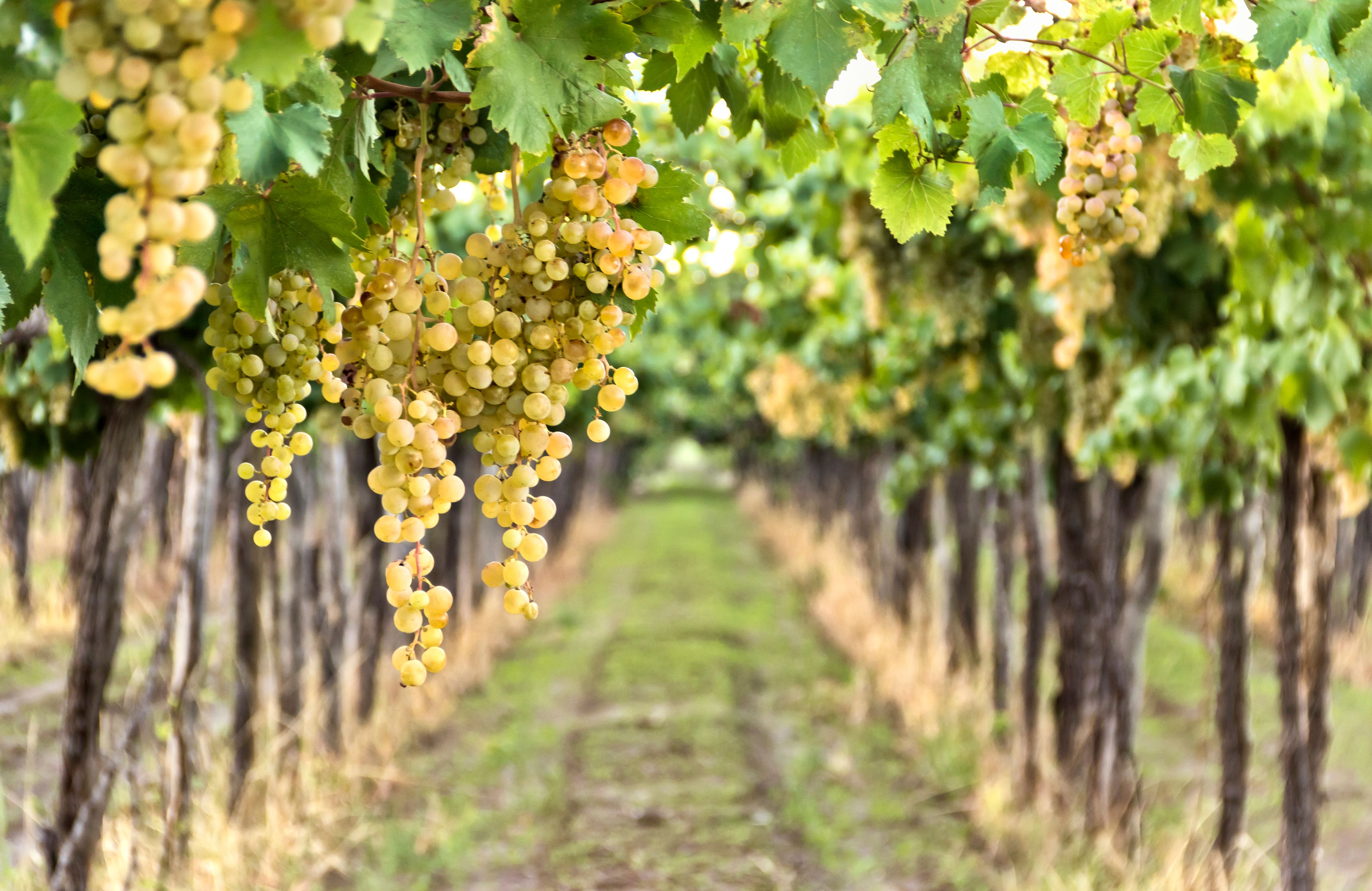
The Benchmarks: Zuccardi’s Fósil and Catena Zapata’s Adrianna Vineyard White Bones. These wines command FOB prices higher than many premium reds, proving that white wine can be a luxury asset.
The Business Angle: Faster rotation in the cellar compared to aged reds improves the Internal Rate of Return (IRR).More wineries
Old-Vine Semillón: The Niche Goldmine
What used to be a "blending grape" is now a cult favorite among sommeliers in London and NYC.
The Benchmarks: Mendel’s Semillón (Luján de Cuyo) and Riccitelli’s Old Vines from Patagonia. These are low-volume, high-margin products that boost a brand's prestige.
Torrontés 2.0: Dry and Precise
The modern Torrontés has shed its sweet image to become a lean, aromatic powerhouse.
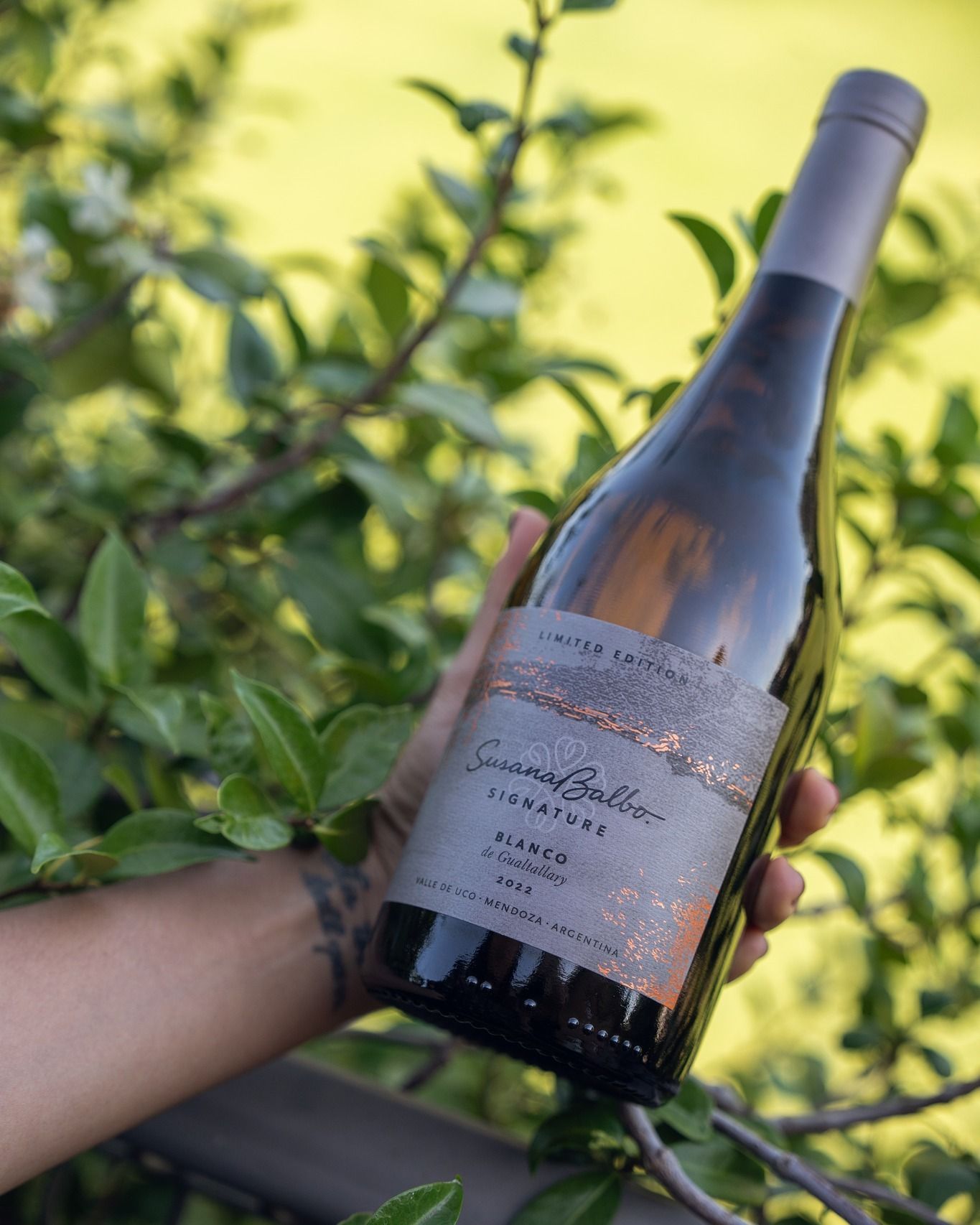
The Benchmarks: Susana Balbo’s Signature Barrel Fermented Torrontés and El Esteco’s Old Vines. It’s our unique competitive advantage—no one else in the world produces it like this.
2026 Market Specifications
For those looking to export or import this year, these are the "non-negotiable" technical specs:
Alcohol Content
11.5% – 12.5% ABV
Easier "drinkability" and lower tax brackets in key markets (UK/Nordics).
Aging
Concrete or Used Oak
Preserves fruit purity. Reduces the high cost of new French oak.
Closure
Screwcap
Essential for high-rotation in Wine Bars and Retail.
Certification
Sustainable / Organic
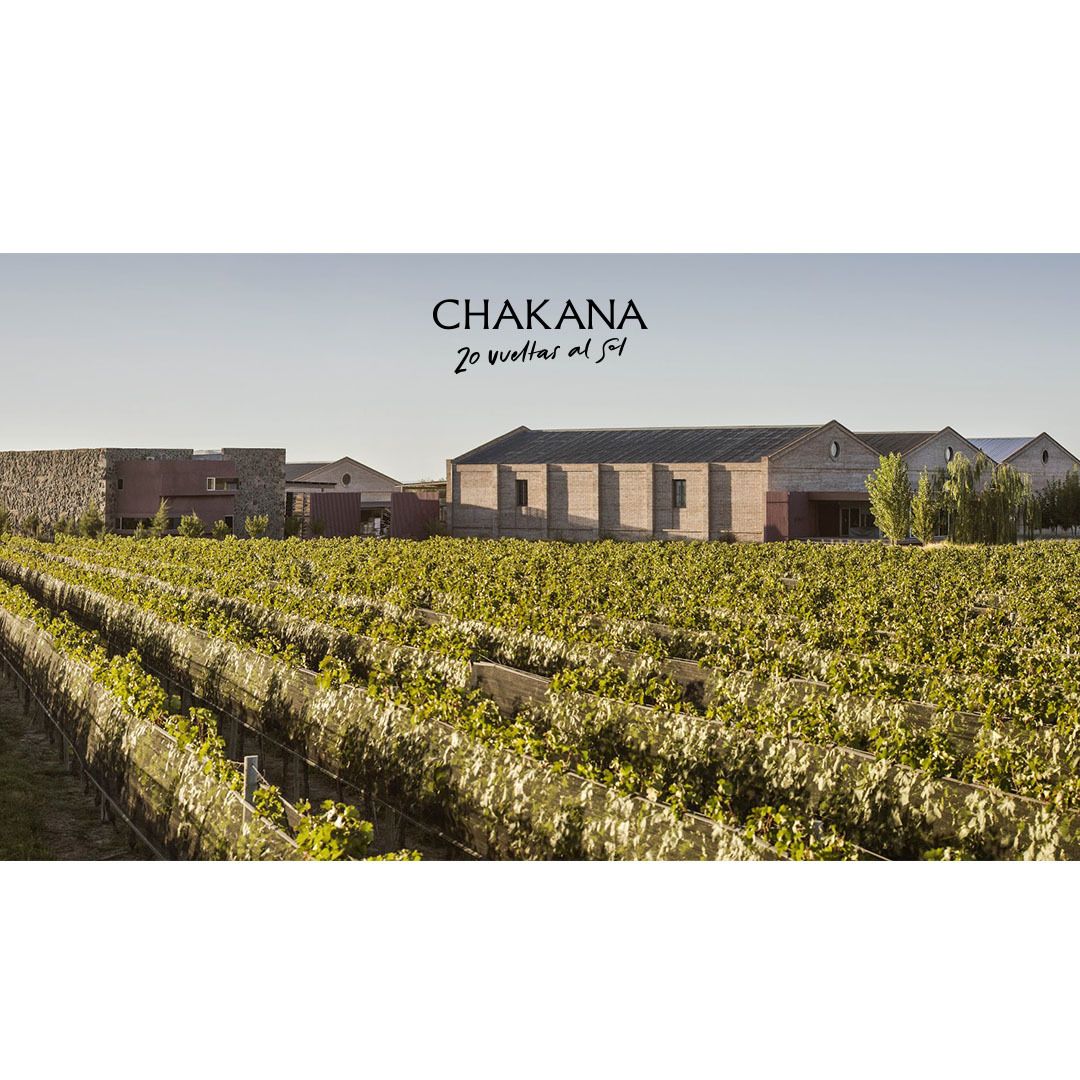
Labels like Bodega Chakana or Alpamanta are leading here.
Attribute
2026 Preference
Business Impact
A Practical Roadmap for the Industry
To capitalize on the "White Wave," a dual-track strategy is recommended:
Tactical Bulk Sales: Use high-volume white blends to clean out tanks and stabilize the balance sheet.
Premium Positioning: Use "Terroir Whites" (from places like Gualtallary or the Atlantic coast) to build brand equity.
The "White Malbec" Hybrid: Leverage the Malbec brand name but in a white/rosé format. Trivento’s White Malbec has proven that this category is a massive volume-driver.
Conclusion
The "White Revolution" is more than a trend; it’s Argentina’s smartest commercial move in 2026. By balancing bulk efficiency with high-end terroir stories, Argentine wineries are proving they can conquer the glass—whether it's filled with deep red or pale gold.
"Ready to taste the revolution for yourself? Explore our curated selection of Argentine white wines and discover a new side of our terroir. Cheers to the future of white Malbec!"