
Argentina Wine: The Complete Guide to Regions, Varietals & Travel
Imagine vines growing at 5,000 feet above sea level, bathed in intense Andean sun during the day and cooled by mountain air that drops 30°F every night. That temperature swing — one of the largest in any wine-producing country on earth — is what gives Argentine wine its unmistakable character: deep, vivid color, concentrated fruit, and a natural freshness that keeps every bottle alive on the palate. From the dramatic high-altitude vineyards of Salta in the north to the wind-swept estates of Patagonia at the edge of the world, Argentina is not one wine country — it is many, stacked along the spine of the Andes, each altitude and soil telling a different story. This is the complete guide to understanding, tasting, buying, and visiting the wines of Argentina.
The Pillars of Argentine Terroir: Altitude, Sun & Stone
Argentina's wine identity is built on three forces that work in concert: altitude, solar intensity, and geological diversity.
The Andes act as a natural barrier, blocking Pacific moisture and creating an arid, continental climate on the eastern slopes where virtually all Argentine vineyards sit. With almost zero rainfall during the growing season, viticulture relies entirely on glacier meltwater channeled through an ancient network of irrigation canals — a system the indigenous Huarpe people developed centuries before the first European vine was planted.
The altitude is the variable that changes everything. At 3,000 feet, vines in Mendoza's classic zones produce full-bodied, lush Malbec. Push to 5,000 feet in the Uco Valley and the fruit becomes more restrained, more mineral, more perfumed. Climb to the extreme vineyards of Salta — some sitting above 10,000 feet — and you enter a world of extraordinary aromatic intensity that no other wine region on earth can replicate.
Key terroir pillars at a glance:
Factor
Effect on Wine
High altitude UV exposure
Thick grape skins → deep color, natural antioxidants
Large diurnal temperature range
Preserved natural acidity → freshness in the glass
Arid desert climate
Low disease pressure → minimal intervention viticulture
Diverse soils (clay, alluvial, limestone, sand)
Complexity and regional typicity
Glacier meltwater irrigation
Precise water control → concentrated flavors
The Argentine Wine Regions: A Geographic Journey
Argentina's wine map stretches over 2,400 kilometers from north to south — roughly the distance from New York to Miami. Each region has its own altitude, soil, and climate signature.
Mendoza: The Historic Heart & Global Epicenter
Mendoza produces roughly 70% of all Argentine wine and is home to the country's most celebrated estates. But to call it a single region is to miss the point entirely — Mendoza is a collection of distinct subzones, each with its own geological personality.
Primera Zona — Luján de Cuyo & Maipú The birthplace of Argentine fine wine. Deep alluvial clay soils over gravel and sand, sitting at 2,800–3,300 feet. This is where the oldest Malbec vines in the country grow — some over 100 years old — producing wines of exceptional richness, velvety tannin, and concentrated dark-fruit character. The names Vistalba, Agrelo, and Perdriel are Mendoza's answer to Bordeaux's left bank communes.
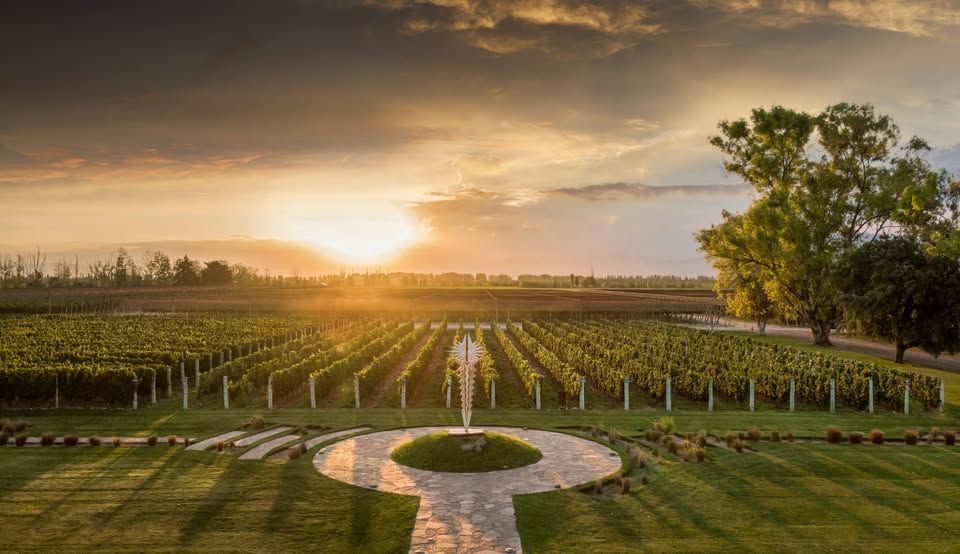
Valle de Uco — Tupungato, Tunuyán & San Carlos The new frontier of Argentine fine wine, and arguably the most exciting wine zone in South America. At 3,600–5,000 feet, the Uco Valley's limestone and calcareous clay soils — particularly in the subzones of Gualtallary and Paraje Altamira — produce wines of extraordinary mineral complexity, floral perfume, and structural elegance. This is where the world's highest-scoring Argentine bottles come from, and where the Tim Atkin 100-point wines are almost exclusively born.
Salta & The North: Extreme Altitude Viticulture
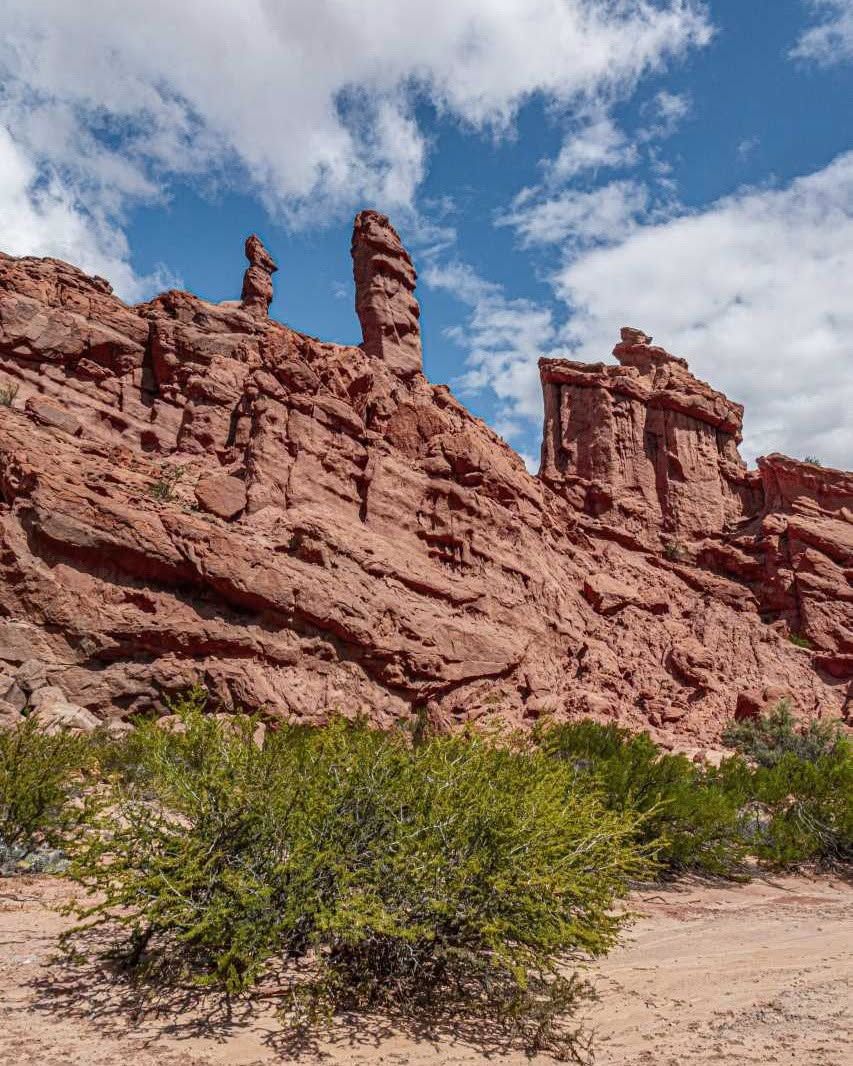
If Mendoza is Argentina's Bordeaux, Salta is its wild, volcanic north — a landscape of terracotta canyon walls, Andean condors, and vineyards so high they seem to touch the clouds.
The Calchaquí Valleys, centered on the town of Cafayate, are home to the highest commercially cultivated vineyards on earth. At altitudes between 5,500 and 10,200 feet, grapes ripen slowly under brutal UV radiation and cool dramatically every night. The result is a style of wine found nowhere else: wines of extraordinary aromatic precision, natural freshness, and crystalline purity.
Torrontés is Salta's indigenous signature — a white grape that produces explosively aromatic wines bursting with jasmine, white peach, rose petal, and citrus. At its best, in the high vineyards of Cafayate, it is one of the most distinctive white wines in the world. Malbec at these altitudes takes on a completely different profile: more savory, more structured, with notes of dried flowers and mountain herbs rather than the plush dark fruit of Mendoza.
Patagonia: Cool-Climate Elegance at the Edge of the World
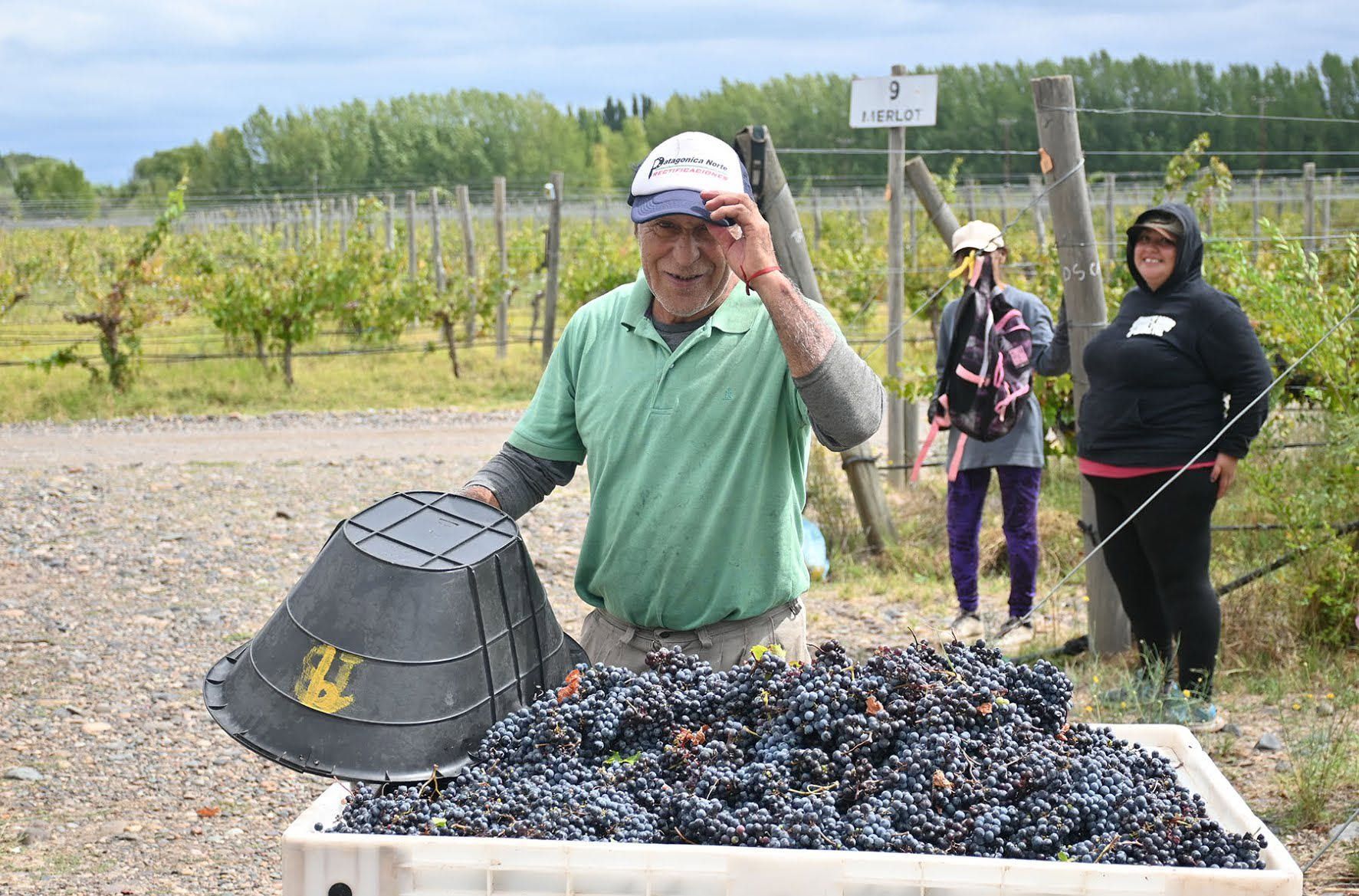
Argentina's southernmost wine region is a world apart. In Río Negro and Neuquén, strong Patagonian winds act as a natural air conditioning system, extending the growing season and allowing grapes to ripen slowly over months rather than weeks. The result is wines of exceptional delicacy and fine structure — a style that surprises everyone expecting the opulence of Mendoza.
Pinot Noir is the revelation of Patagonia — perfumed, silky, and unexpectedly Burgundian in character. Malbec here loses its density and gains elegance: longer on the palate, more savory, with a stony mineral thread running through the fruit. Chardonnay in the cold river valleys of Río Negro can be genuinely world-class — crisp, mineral, and completely devoid of the tropical weight that bakes into warmer-climate versions.
San Juan & The Emerging Frontiers
Directly north of Mendoza, San Juan is Argentina's second-largest wine producer and one of its most exciting emerging regions. The Pedernal Valley, at over 4,900 feet in the Sierras Pampeanas, produces wines from limestone-rich soils that bring a European mineral quality to Malbec and Cabernet Franc rarely found elsewhere in Argentina.
Perhaps the most surprising development in Argentine wine is the emergence of coastal viticulture in Chapadmalal, south of Buenos Aires on the Atlantic coast — sea-level vineyards producing crisp, fresh whites and light reds that would be entirely unrecognizable as Argentine wine to most international consumers. The experimentation is genuine and the results are genuinely exciting.
The Grape Varietals: Malbec & The New Argentina
Malbec: The Ultimate Terroir Translator
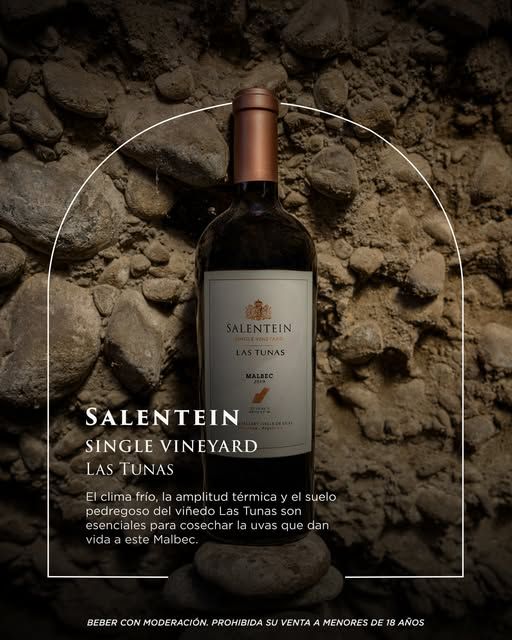
Malbec is Argentina's story, its ambassador, and its greatest terroir translator. Originally from Cahors in southwest France, where it produces dark, tannic, almost austere wines, Malbec found its true home in the Argentine Andes — and what it does there is unlike anything it produces anywhere else on earth.
The contrast between Mendoza's two great Malbec expressions is one of the most instructive lessons in wine:
Classic Mendoza Malbec (Primera Zona, 2,800–3,300 ft): Deep violet color. Aromas of blackberry, plum, dark chocolate, and violet. Full body, plush velvet tannins, warm finish. The Malbec that built Argentina's international reputation.
High-Altitude Malbec (Uco Valley, 3,600–5,000 ft): Paler ruby with brilliant clarity. Aromas of fresh blueberry, crushed rock, dried flowers, and red cherry. Medium-full body, fine-grained tannins, long mineral finish. The Malbec that is reshaping Argentina's premium wine identity.
Torrontés: Argentina's Indigenous Aromatic White
No other country makes Torrontés the way Argentina does. In the high-altitude vineyards of Salta's Cafayate, this native white grape produces wines of explosive aromatic intensity — jasmine, rose petal, white peach, and mandarin — with a dry, crisp palate that consistently surprises those who expect sweetness from such a perfumed nose. It is the perfect pairing for spicy food, fresh seafood, and warm summer evenings.
The Rising Stars: Cabernet Franc, Bonarda & Chardonnay
Cabernet Franc is the most exciting emerging variety in Argentina. In the rocky, limestone soils of the Uco Valley and Pedernal, it develops extraordinary herbal complexity — graphite, tobacco leaf, red pepper, and wild herbs — alongside a structural elegance that rivals the great Chinon and Bourgueil of the Loire Valley.
Bonarda, long dismissed as a bulk blending variety, is experiencing a remarkable renaissance. Argentina is the world's largest planter of Bonarda, and in the hands of focused producers, old-vine examples can be genuinely profound — dense, earthy, and full of dark berry fruit with a distinctive Andean savory streak.
Chardonnay in Patagonia and the high Uco Valley achieves a minerality and restrained elegance that puts it firmly in the conversation with quality white Burgundy — cold-climate, precise, and completely removed from the buttery, tropical style that defined the variety in warmer climates for decades.
Planning Your Argentina Wine Trip
Argentina's wine regions are among the most accessible and rewarding wine destinations in the world — but planning makes the difference between a good trip and an unforgettable one.
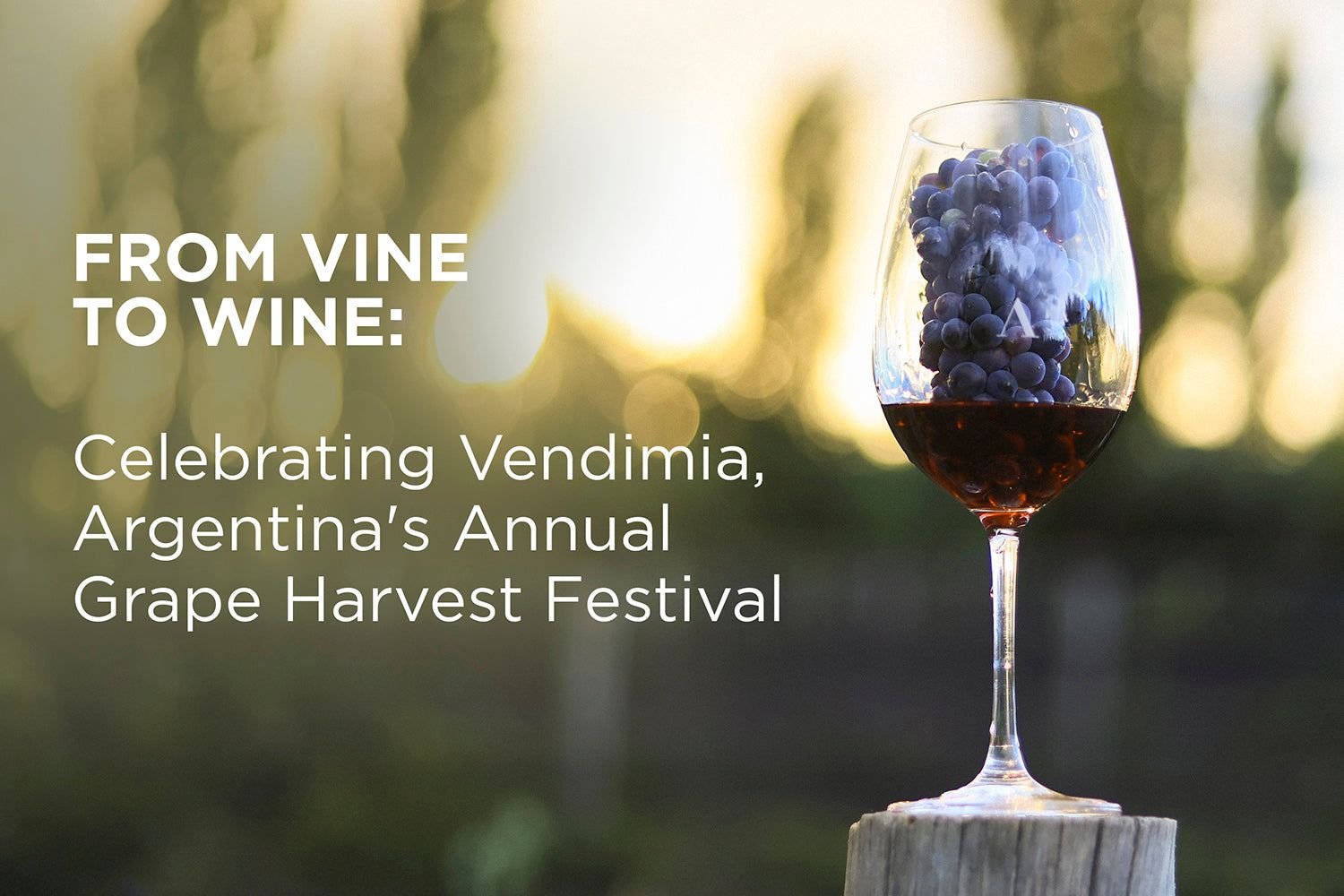
When to Go The harvest season (vendimia) runs from late February through April and is the most spectacular time to visit. Vineyards are in full activity, cellar doors host special harvest events, and the Mendoza Vendimia Festival in March is one of South America's great cultural celebrations. The shoulder seasons of October–November (spring) and May–June (autumn) offer fewer crowds and excellent conditions.
Getting Around Mendoza
Mendoza city is the natural base for exploring the wine regions. The city center sits about 20 minutes from Luján de Cuyo and 45–90 minutes from the Uco Valley, depending on your destination. Hiring a private driver or joining a guided tour is strongly recommended — Argentine roads in wine country require navigation experience, and the wine tastings are far more enjoyable without driving concerns.
Cellar Door Culture Most serious Argentine wineries require reservations for tastings, particularly in the Uco Valley. Walk-in culture is limited compared to, say, California or South Africa. Book at least one week in advance during harvest season and major holidays. Many estates offer full experiences including vineyard walks, winemaker tastings, and long lunches — often representing extraordinary value compared to equivalent experiences in France or Italy.
For Salta Cafayate is a 4-hour drive from Salta city through one of the most dramatically beautiful roads in South America — the Quebrada de las Conchas canyon road. Alternatively, domestic flights from Buenos Aires to Salta take approximately 2 hours. The town of Cafayate itself is small, charming, and walkable, with most top wineries accessible on foot or by short taxi ride.
For Patagonia Neuquén is the hub for Patagonian wine exploration, with several top wineries clustered in the San Patricio del Chañar zone about an hour north of the city. The wine routes here are less developed than Mendoza, making a guided tour particularly valuable.
The Argentina Wine Verdict
Argentina is one of the last great wine discoveries available to the international wine lover — not because it is unknown, but because most of the world still knows only one chapter of a much longer story. Mendoza Malbec opened the door. What is behind it — the limestone mineral wines of Gualtallary, the soaring aromatics of Cafayate, the silky Pinot Noirs of Patagonia, the wild experimentation of a new generation of winemakers — is one of the most exciting wine narratives being written anywhere on earth right now.
Whether you are reaching for a bottle in a New York wine shop or planning to stand in a vineyard with the Andes at your back, Argentine wine rewards curiosity, generosity, and an open mind. It is a country that overdelivers at every price point — and at its best, competes with the finest wines the world has to offer.
Explore more on vinosargentinos.com:
Best Wineries in Mendoza — Complete Guide
Cabernet Franc in Argentina — The Rising Star
Pinot Noir in Patagonia — The Cool-Climate Revolution
Tim Atkin Argentina Report 2026 — Top Rated Wines
Best Argentine Wines of 2026